

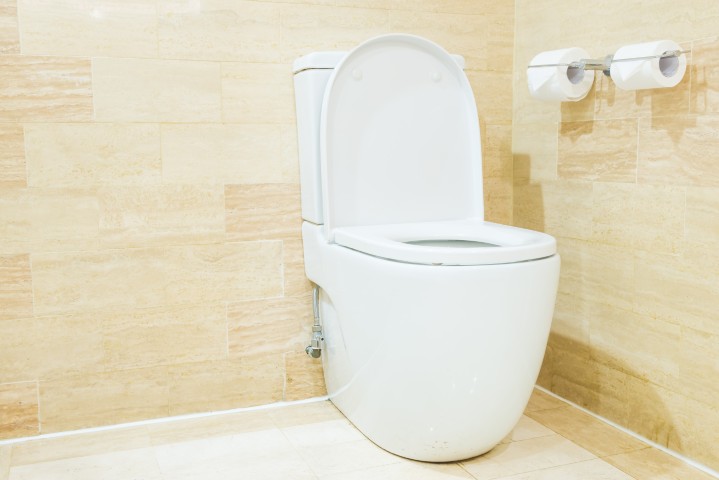
DIY Plumbing: How to Replace or Install a Toilet in Australia
Is your toilet giving you trouble? Whether you’re updating your bathroom, switching to a water-efficient model, or dealing with an old toilet, this guide will show you how to replace a toilet safely and correctly. With the right tools and a bit of elbow grease, you can tackle this toilet installation project yourself!
Signs You Need a Toilet Replacement
Before you start replacing your toilet, let’s check for signs that it’s time for a toilet replacement.
Persistent Clogs That Won’t Clear
If your toilet keeps clogging despite your best efforts, it’s likely time for a new one. A toilet that constantly backs up may have issues that make it more trouble than it's worth.
Cracks or Leaks in the Bowl or Cistern
Cracks in your toilet bowl or cistern can lead to leaks. If you notice water pooling around your toilet or visible cracks, it’s time for a new toilet installation. Don’t ignore these signs, as they could lead to bigger plumbing issues down the line. If you're noticing water leaks elsewhere, we also offer professional leak detection services across Brisbane and Melbourne.
Wobbly Toilet or Water Pooling Around the Base
A wobbly toilet isn’t just annoying—it can be dangerous. If your toilet is loose, or if you notice water pooling around its base, there’s likely a problem with the wax ring seal or bolts. Both issues need fixing quickly to avoid water damage.
Older Toilets Using Excessive Water
Old toilets can waste a lot of water. If your toilet is from the pre-1990s, it’s likely using more water than necessary per flush. Upgrading to a newer, more efficient model can save you money on your water bills.
Note: A water-efficient toilet can be a good upgrade to save on future water costs.
Parts and Tools You’ll Need
Here’s a quick rundown of the parts and tools you’ll need for toilet plumbing installation.
Toilet Parts
- Closet Flange: This attaches the toilet to the drain pipe.
- Closet Elbow: Connects the flange to the waste pipe.
- Closet Bolts: Used to secure the toilet to the floor.
- Wax Ring: This ring creates a watertight seal between the toilet and drain pipe. You can choose between wax or silicone options.
Tools
- Sponge, Bucket, Towels: To clean up any remaining water.
- Adjustable Wrench, Pliers, Screwdriver: For removing bolts and tightening connections.
- Putty Knife, Hacksaw, Leveller: To remove old parts, trim pipes, and check the level of your new toilet.
- Teflon Tape, Optional Torque Wrench: For sealing pipe connections and tightening bolts.
Step-by-Step Guide to Removing Your Old Toilet
Once you have your tools ready, you can start removing the old toilet.
Step 1 – Turn Off Water Supply and Drain Toilet
Start by turning off the water supply. Then, flush the toilet to drain as much water as possible. Use a sponge and bucket to soak up any leftover water in the tank and bowl.
Step 2 – Remove the Tank
To remove the tank, unscrew the bolts that secure it to the bowl. If the bolts are stuck, apply some oil to loosen them up. If needed, use a hacksaw to cut through stubborn nuts.
Step 3 – Remove the Toilet Bowl
Now, unscrew the bolts holding the toilet to the floor. Once they’re free, tilt the toilet slightly and carefully lift it off the floor. Be careful, as toilets can be heavy!
Step 4 – Remove Old Wax Ring
With the toilet removed, you’ll see the old wax ring around the base. Use a putty knife to scrape away the wax and dispose of it safely. Make sure the area is clean before proceeding.
Installing Your New Toilet
Now comes the fun part—installing your new toilet. Here’s a step-by-step guide to get your new toilet up and running.
Step 5 – Install Closet Flange
Place the closet flange over the drainpipe and insert the closet bolts. Secure the bolts with washers and nuts. Tighten them until they’re snug, ensuring the flange is secure.
Step 6 – Set Wax Ring and Position Bowl
Place the new wax ring onto the flange, then carefully lower the toilet bowl onto it. Gently press the toilet into place, ensuring the wax ring creates a tight seal. Use a level to check that the toilet is sitting straight. You can adjust the height with coins if necessary.
Step 7 – Attach Water Tank
Now, attach the water tank to the toilet bowl. Line up the holes and attach the washers and nuts. Tighten them carefully, but avoid over-tightening as this could damage the tank.
Step 8 – Install Fill Valve (if Needed)
If your tank isn’t pre-assembled, you’ll need to install the fill valve. Thread the washers and nuts onto the valve and attach it to the tank. Ensure it’s secured tightly to avoid leaks.
Step 9 – Secure Toilet and Check Level
Once the toilet bowl and tank are in place, tighten the bolts at the base and inside the tank. Double-check the level of the toilet. If it’s off, adjust the height slightly before tightening the bolts completely.
Step 10 – Connect Water Supply
Reattach the water supply line to the tank, then slowly turn on the water. Check for any leaks around the base or tank. If you notice any, tighten the connections slightly.
Step 11 – Attach Toilet Seat
Finally, attach the toilet seat. Align it properly and tighten the screws securely, but not too tight to avoid cracking the seat.
Common Mistakes to Avoid When Replacing a Toilet
Here are a few common mistakes to watch out for:
- Overtightening Bolts: Tighten bolts carefully. Overtightening can crack your toilet or cause leaks.
- Incorrect Wax Ring Placement: Make sure the wax ring is properly placed to create a watertight seal.
- Not Checking Level: An unlevel toilet can lead to instability and leaks. Always check before securing the toilet in place.
- Reusing Old Bolts/Washers: Always replace old bolts and washers to ensure a proper, secure fit.
FAQs About Toilet Installation in Australia
Will my new toilet fit my existing rough-in?
Most toilets are designed to fit standard rough-in measurements. However, it's important to check the specifications of your new toilet and compare them to your existing rough-in size to ensure compatibility.
Can I replace only the cistern or pan?
Yes, you can replace just the cistern or pan, depending on what’s worn out. However, replacing both parts at once is often more cost-effective and efficient.
Why is my toilet wobbly after installation?
A wobbly toilet is often caused by loose bolts or an uneven floor. Make sure all the bolts are tightened and the toilet is level.
How do I prevent leaks at the base?
Ensure the wax ring is properly installed and that all bolts are tightened securely. Check for leaks after the installation and tighten any connections if necessary.
When to Call a Professional Plumber
While installing a toilet yourself can be a rewarding DIY project, there are times when it’s best to call in a professional plumber:
- Complex Plumbing or Layouts: If your plumbing system is complicated or the rough-in measurements are unusual, it’s best to call in a pro.
- Code Compliance: Plumbing codes vary by location. If you're unsure about local regulations, it’s safest to get expert help.
- Safety Concerns: If you feel uncomfortable at any point during the installation, it’s best to call a plumber.
- Warranties: Professional installation may be necessary to maintain your toilet's warranty.
If you’re unsure about tackling the job yourself, GHS Plumbing & Electrical is here to help. We offer professional toilet installation and replacement services across Brisbane and Melbourne. Contact us today for expert assistance.
Additional Tips & Tricks
Wax vs Silicone Ring: Pros & Cons
Both wax and silicone rings can provide a solid seal. Wax rings are more common and affordable, while silicone rings last longer and provide a more reliable seal. Consider your needs and the condition of your existing toilet flange when choosing between the two.
Tools That Make the Job Easier
A quality adjustable wrench, torque wrench, and level can make this job go a lot smoother. These tools ensure that everything is tightened correctly and that your toilet sits perfectly level.
Preventive Maintenance Tips
To keep your toilet in great condition, check the bolts, wax ring, and flush mechanism regularly. If you spot any issues, address them early to avoid costly repairs later on.
With these steps and tips, you’ll be able to replace your toilet like a professional plumber. If you need any help, GHS Plumbing & Electrical is ready to assist. We also offer a full range of plumbing, electrical, and air conditioning services. Give us a call at 1300 320 246 today!