

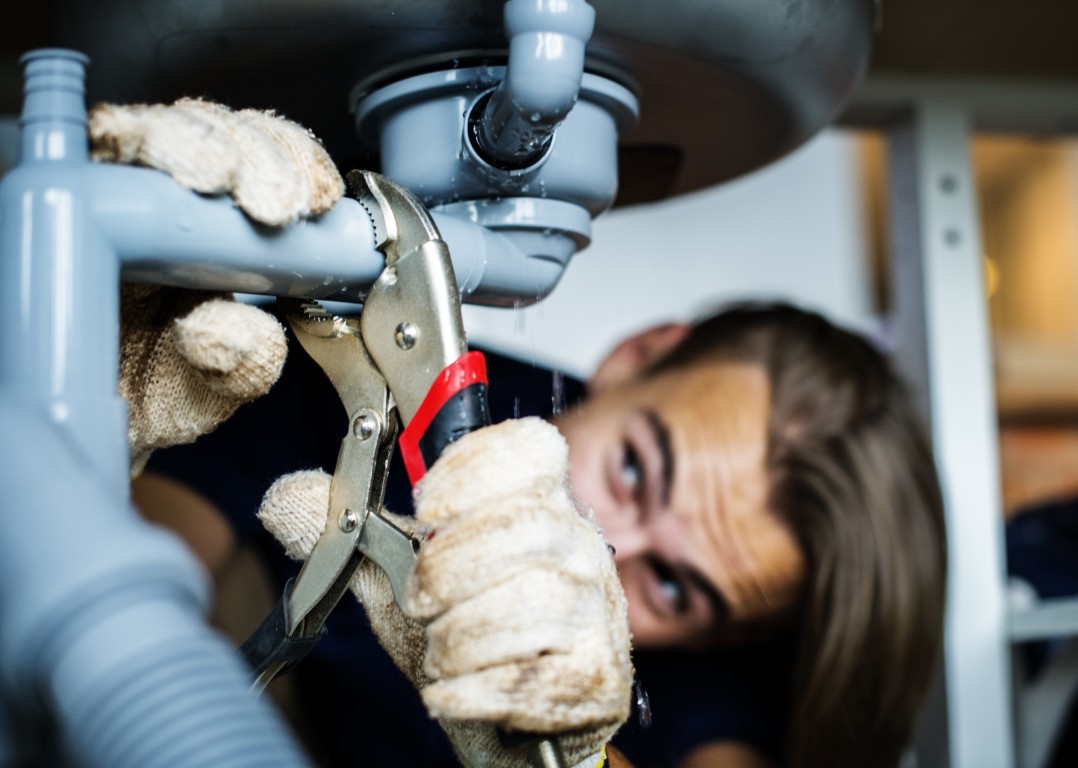
Common Plumbing Problems & DIY Plumbing Mistakes to Avoid
Homeowners often face plumbing issues that seem simple to fix on their own—until they aren’t. DIY plumbing can be tempting, but without proper knowledge, you might end up creating bigger problems. Whether it’s a leaky tap or a blocked drain, it’s easy to overlook the risks. In this guide, we’ll walk you through common plumbing problems and the top DIY plumbing mistakes to avoid so you can keep your home’s plumbing system running smoothly.
Why Homeowners Face Plumbing Problems When Doing DIY
Plumbing problems often strike at the most inconvenient times. When that happens, the DIY instinct kicks in. However, without the right knowledge, you may worsen the issue. Even minor plumbing problems can cause big headaches if tackled incorrectly. That’s why it’s important to understand how your plumbing system works and know when it’s time to call a pro. This way, you can solve smaller issues and avoid making costly mistakes.
Most Common Plumbing Problemsin Homes
Plumbing problems are a part of homeownership, and most homeowners will face some of these issues at some point. Here are some of the most common plumbing problems, along with helpful tips to manage them before they get worse.
Dripping Taps and Leaky Fixtures
Dripping taps and leaky fixtures are a common plumbing issue. Even a small drip may seem harmless, but it wastes water and adds up over time, increasing your water bill. A leaky tap is often caused by a worn washer or a problem with the valve.
Tip: Check your taps regularly and replace worn-out washers. If the fixture is corroded, consider replacing it altogether to prevent future leaks. For hidden leaks, our professional leak detection services can help identify issues before they become major problems.
Clogged Drains & Blocked Pipes
Clogged drains and blocked pipes are another frequent problem in homes. Hair, grease, soap, and food debris can build up in your pipes and lead to a blockage. Using harsh chemical drain cleaners might seem like an easy fix, but these chemicals can damage your pipes over time.
Tip: To prevent blockages, use a plunger or drain snake to clear minor clogs. For routine maintenance, consider using eco-friendly alternatives like baking soda and vinegar instead of chemical cleaners. If you're dealing with a stubborn blocked drain, our team can clear it safely and effectively.
Running Toilets
A running toilet is not only annoying, but it’s also a silent water waster. If your toilet continues to run after flushing, it’s likely due to a faulty flapper valve, a stuck float, or an issue with the fill valve.
Tip: Check the flush valve and replace any worn-out parts. A quick fix can save you a lot of water and money. For more complex toilet issues, we offer expert toilet repair and replacement services.
Hot Water Problems
Nothing is worse than turning on the shower and finding there’s no hot water. Common issues with water heaters include a tripped circuit breaker, a pilot light going out, or sediment buildup in the tank that reduces efficiency.
Tip: Regularly flush your water heater to remove sediment, and check the pilot light to ensure your water heater is running at its best. Need help? Our hot water system specialists can diagnose and fix issues quickly.
Pipe Leaks and Bursts
Pipe leaks and bursts are some of the most damaging plumbing issues. A small leak can quickly turn into a bigger problem, causing water damage and potentially mould growth. Leaks are often caused by old pipes, water pressure changes, or physical damage.
Tip: Check your water meter regularly for spikes in usage that may indicate a hidden leak. If you notice damp spots on your walls or ceilings, call a plumber immediately. For urgent situations, our 24/7 emergency plumber is available to respond quickly.
Top DIY Plumbing Mistakes to Avoid
DIY plumbing can save money, but it’s easy to make mistakes that will only cause more harm than good. Here are the most common DIY plumbing mistakes homeowners make—and how to avoid them.
Forgetting to Turn Off the Water
One of the most common DIY plumbing mistakes is forgetting to turn off the water before starting a repair. This rookie error can lead to flooding and water damage.
Tip: Always turn off the water supply before beginning any plumbing repair. It’s a simple step that can prevent a costly mistake.
Overtightening Fittings
Many homeowners think the tighter, the better, but overtightening fittings can break the fitting, crack pipes, and cause leaks.
Tip: Tighten fittings firmly, but don’t overdo it. Use the correct tool for the job to avoid damaging your pipes and connections.
Using Teflon Tape Incorrectly
Teflon tape is used to seal threaded pipe joints, but if it’s applied incorrectly, it can cause leaks. Wrapping it the wrong way or using too much tape can create an imperfect seal.
Tip: Wrap Teflon tape around the threads in the direction of the thread rotation, and don’t overdo it. Just a few layers should suffice.
Relying on Chemical Drain Cleaners
Chemical drain cleaners are quick, but they can cause long-term damage to your pipes. These harsh chemicals weaken seals, corrode pipes, and can be dangerous to your health.
Tip: Avoid chemical cleaners. Instead, use a plunger or a drain snake, or try natural cleaning methods like vinegar and baking soda.
Using the Wrong Tools for the Job
Using the wrong tools can easily damage your pipes. For example, using a pipe wrench when a spanner or pliers is more suitable can strain the pipe and fittings.
Tip: Always use the right tool for the job. If you're unsure, ask for guidance or hire a professional plumber.
Mixing Pipe Materials
Mixing different pipe materials, like copper and steel, can cause corrosion. These materials react differently to temperature changes and water pressure, leading to premature pipe failure.
Tip: Stick to one type of pipe material. If you need to connect different materials, make sure you use the correct fittings.
Installing Saddle Valves
Saddle valves are often used as a quick fix, but they can create weak connections that are prone to leaks. They’re not the best solution for long-term plumbing problems.
Tip: Use ball shut-off valves for a more secure, long-lasting plumbing solution.
When You Should Call a Professional Plumber
While DIY plumbing fixes can be effective for smaller problems, some issues require the expertise of a licensed plumber. If you’re facing burst pipes, complex blockages, or an ongoing issue that you can’t resolve, it’s time to call in the professionals.
A licensed plumber will have the tools, experience, and knowledge to handle problems quickly and safely. We offer expert plumbing services across Brisbane and Melbourne, so don't hesitate to reach out if you need help.
Final Thoughts
Preventing plumbing issues starts with regular maintenance and being mindful of the most common problems. Simple DIY fixes can go a long way, but it’s important to know when it’s time to call in a professional to avoid making mistakes that could lead to bigger issues.
For all your plumbing needs, whether it’s a minor repair or a major emergency, GHS Plumbing & Electrical is here to help. We also offer a full range of electrical and air conditioning services to keep your home running smoothly. Call us today at 1300 320 246 for expert plumbing services you can trust!